
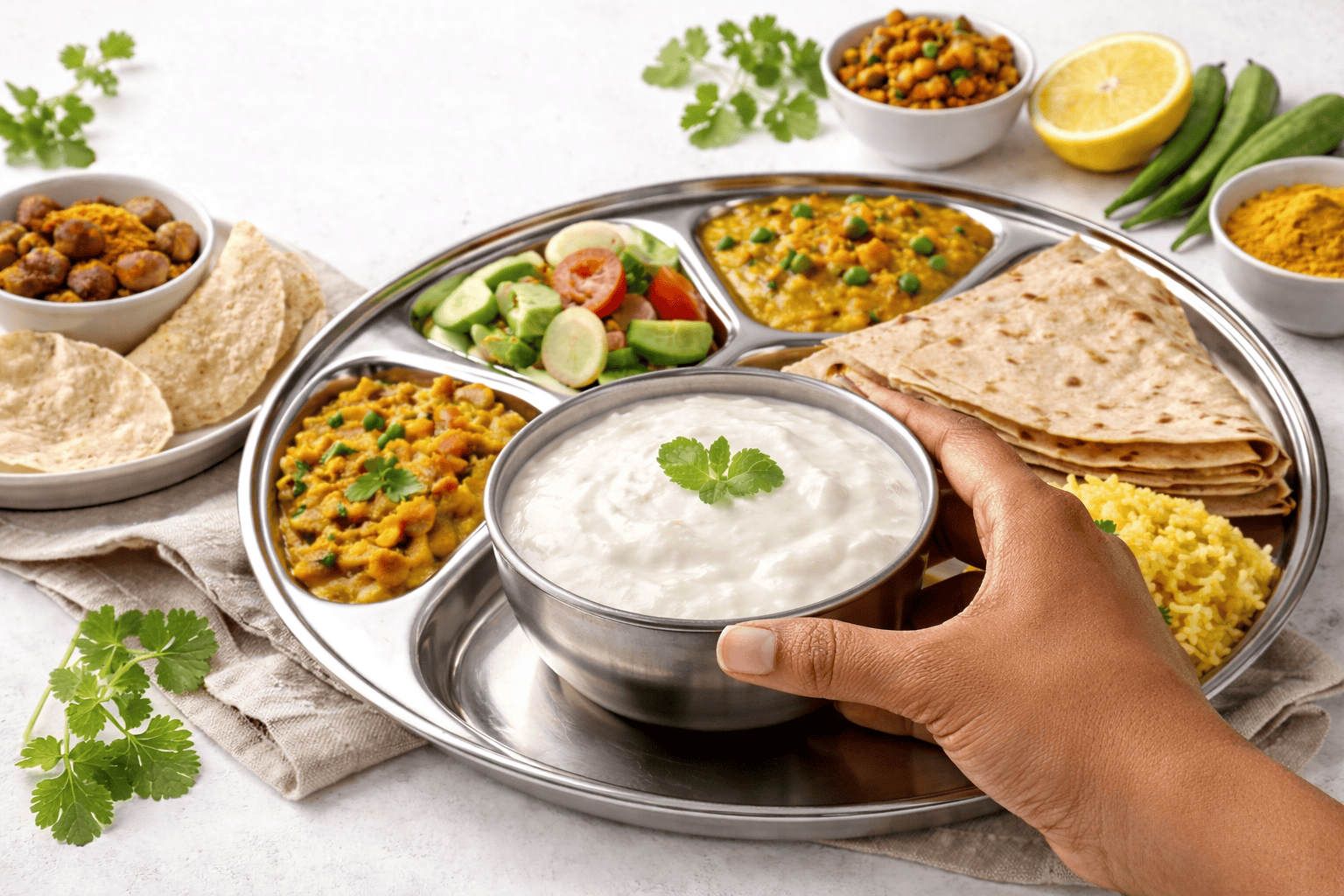
Dadhi, commonly known as curd or yogurt, is a dairy product prepared by the fermentation of milk. It is widely consumed across the world for its creamy texture, tangy taste, and digestive benefits. In Ayurveda, curd holds a unique place due to its potent nutritional and therapeutic properties—when consumed correctly and in the right conditions.
This blog explores the Ayurvedic significance of Dadhi, its properties, indications, contraindications, and effects of improper intake.
Ayurvedic Properties of Dadhi (Curd)
Curd is described as nourishing, strength-promoting, and Vata-pacifying in nature.
Classical Ayurvedic texts describe the qualities of curd as follows:
Pharmacological Attributes
· Rasa (Taste): Madhura (sweet), Amla (sour)
· Guna (Quality): Snigdha (unctuous, oily)
· Veerya (Potency): Ushna (hot)
· Vipaka (Post-digestive taste): Amla (sour)
Therapeutic Actions of Curd
Curd exhibits multiple beneficial actions when used appropriately:
रोचनंदीपनंवृष्यंस्नेहनंबलवर्धनम्।पाकेअम्लमुष्णंवातघ्नंमङ्गल्यंबृंहणंदधि॥
· Rochana: Enhances taste perception
· Deepana: Improves appetite and digestion
· Vrishya: Aphrodisiac; improves reproductive vitality
· Snehana: Increases unctuousness in the body
· Balavardana: Enhances strength and immunity
· Vataghna: Pacifies Vata dosha
· Mangala: Considered auspicious
· Brihmana: Nourishes tissues and promotes healthy weight gain
Indications: When is Curd Beneficial?
Ayurvedic texts recommend curd in the following conditions:
पीनसेचातिसारेचशीतकेविषमज्वरे।
अरुचौमूत्रकृच्छ्रेचकार्श्येचदधिशस्यते॥२२६॥
Curd is beneficial in:
· Peenasa: Running nose
· Atisara: Loose stools
· Sheeta: Cold
· Vishama Jwara: Intermittent fever
· Aruchi: Loss of appetite or taste
· Mutrakrichra: Difficulty in urination
· Karshya: Emaciation or weakness
Contraindications: When Should Curd Be Avoided?
Despite its benefits, curd can become harmful if consumed incorrectly.
शरद्ग्रीष्मवसन्तेषुप्रायशोदधिगर्हितम्।
रक्तपित्तकफोत्थेषुविकारेष्वहितंचतत्॥२२७॥
Curd Should Be Avoided In:
· Sharad (Autumn), Greeshma (Summer), and Vasantha (Spring) seasons
· Raktapitta: Bleeding disorders
· Kapha Utklesha: Excess Kapha conditions such as congestion and heaviness
Rules for Proper Consumption of Curd
Ayurveda strictly advises how and when curd should be consumed:
ननक्तंदधिभुन्जीतनचाप्यघृतशर्करम्।
नामुद्गयूषंनाक्षौद्रंनोष्णंनामलकैर्विना॥६१॥
Dietary Guidelines
· ❌ Do not consume curd at night
· ✅ If taken, curd should be mixed with:
o Ghee
o Sugar
o Green gram soup (Mudga Yusha)
o Honey
o Amalaki (Indian gooseberry)
Foods to Avoid Habitual Consumption with Curd
कूर्चिकांश्चकिलाटांश्चशौकरंगव्यमहिषे।
मत्स्यान्दधिचमाषांश्चयवकांश्चनशीलयेत्॥११॥
Avoid regular intake of:
· Coagulated milk & cream cheese
· Pork, beef, buffalo meat
· Fish
· Black gram
· Barley
· Excessive curd
Habitual consumption can disturb digestion and doshic balance.
Effects of Different Forms of Curd
त्रिदोषंमन्दकंजातंवातघ्नंदधिशुक्रलः।
सरःश्लेष्मानिलघ्नस्तुमण्डःस्रोतविशोधनः॥
· Partly formed curd: Aggravates all three doshas
· Well-formed curd: Pacifies Vata dosha
· Curd cream: Enhances Shukra Dhatu (semen quality & quantity)
· Curd whey (Manda):
o Pacifies Kapha and Vata
o Cleanses bodily channels (Srotoshodhana)
Complications of Improper Curd Intake
Improper timing, quantity, or combinations of curd may lead to serious disorders:
ज्वरासृक्पित्तविसर्पकुष्ठपाण्ड्वामयभ्रमान्।
प्राप्नुयात्कामलांचोग्रांविधिंहित्वादधिप्रियाः॥६२॥
Possible Complications
· Jwara: Fever
· Raktapitta: Internal or external bleeding
· Visarpa: Herpes zoster
· Kushta: Skin disorders
· Pandu: Anaemia
· Bhrama: Giddiness
· Ugra Kamala: Jaundice and liver disorders
Conclusion
Curd (Dadhi) is not merely a flavorful dietary component—it is a powerful Ayurvedic food with nourishing, strengthening, and therapeutic properties. However, its benefits depend entirely on proper season, timing, form, and combination.
When consumed wisely, curd acts as a superfood; when misused, it may become a cause of disease. Ayurveda teaches us that food itself is medicine—if taken correctly.